UK's Remote Gaming Duty Jumps to 40%: Black Market Warnings Escalate in Gambling Sector
Cameron Keller · Apr 2, 2026

UK's Remote Gaming Duty Jumps to 40%: Black Market Warnings Escalate in Gambling Sector
The Tax Hike Hits Hard
Britain's gambling industry braces for a seismic shift as the Remote Gaming Duty on online casino revenue surges from 21% to 40%, a change set to take effect on April 1, 2026, courtesy of Chancellor Rachel Reeves' Autumn Budget; this move, aimed at bolstering public funds, already stirs turbulence among operators who see it reshaping the competitive landscape overnight.
What's interesting here is how quickly the announcement rippled through the sector, with licensed platforms facing steeper costs just as player demand climbs; data from the World Casino Directory underscores the precision of the levy, targeting remote gaming activities like slots and casino games while sparing sports betting at lower rates.
And while the government positions this as fiscal prudence amid economic pressures, those in the betting world point to unintended ripples, where higher taxes could nudge punters toward shadows lurking beyond regulation.
Industry Voices Raise Alarms
The Betting and Gaming Council (BGC), a key trade body representing licensed operators, leads the charge against the hike; chief executive Grainne Hurst warns that billions already flow into unregulated sites offering juicier odds free from tax burdens or safety nets, a trend that could accelerate post-2026.
Take Hurst's stark framing: she describes a scenario where punters, chasing better value, flock to black market platforms that dodge oversight, leaving licensed firms to foot heavier bills and risk losing market share; experts like Dan Waugh, another industry figure, echo this, noting how the duty's climb compounds existing strains on profitability.
But here's the thing; the BGC doesn't stand alone, as smaller operators echo similar fears, predicting a exodus of revenue to offshore havens that promise no caps on stakes or bonuses, all while evading the very protections players rely on from UK-licensed sites.
Black Market Boom Looms Large
Turns out, the black market isn't some distant threat but a growing reality, with BGC estimates revealing billions staked annually on illicit platforms; these sites, often hosted abroad, lure users with tax-free payouts and unrestricted access, sidestepping age checks, anti-addiction tools, and fair play guarantees that define regulated betting.
Observers note how this shift plays out in real time, as one study highlighted by the council shows unregulated operators capturing a slice of the action through aggressive marketing and superior odds; people who've tracked these patterns, like those at the BGC, warn that the 40% duty could swell this underground economy, pulling in casual players who prioritize returns over safety.
It's noteworthy that even high-profile events draw black market bets, where punters wager on football finals or horse races without the friction of taxes; and since these platforms operate in legal gray zones, recovering losses or addressing disputes becomes a non-starter for affected users.
Financial Pressures Mount on Licensed Operators
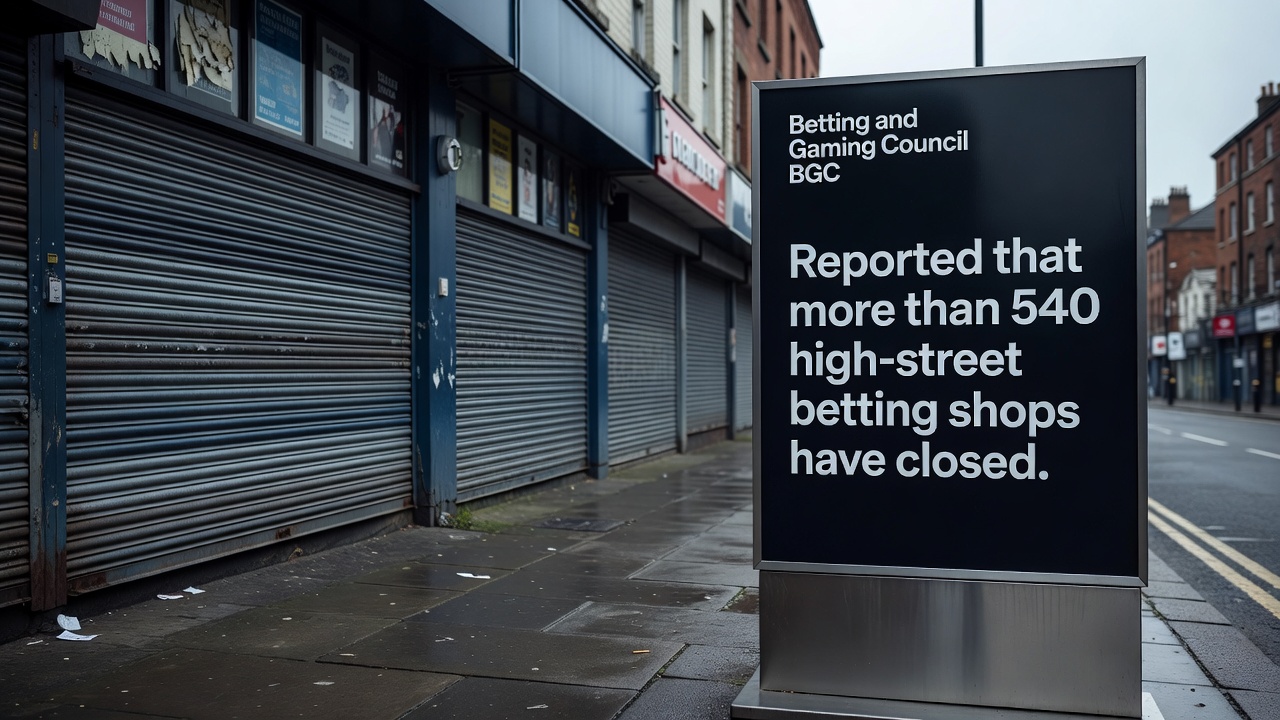
So, what happens when taxes bite deeper? Licensed firms, already navigating tight margins, face tough calls like closing betting shops or trimming staff; the BGC reports early signs of this strain, with high streets losing outlets as online duties squeeze overall viability.
Data indicates that the sector employs thousands across the UK, from server farms handling digital wagers to frontline staff in physical venues; yet, with teh duty doubling on casino revenue streams—which account for a hefty chunk of gross gaming yield—operators recalibrate, sometimes passing costs to players via adjusted odds or fees, although regulations curb such moves.
One case underscores the ripple: traditional bookmakers, pillars of community betting, shutter locations when online taxes erode hybrid models; experts observe that without relief, this could accelerate, thinning the regulated ecosystem that generates tax revenue in the first place.
Layered Challenges: Financial Risk Assessments Add Fuel
Compounding the tax woes, proposed Financial Risk Assessments emerge as another hurdle, requiring operators to scrutinize customer finances more rigorously; while designed to curb problem gambling, these checks demand resources that smaller firms struggle to muster, especially under a 40% duty regime.
Grainne Hurst and peers argue this duo—tax spike plus assessments—creates a perfect storm, where compliance costs soar alongside levies, pushing borderline operators toward insolvency; turns out, the BGC's pushback includes calls for balanced reforms that protect revenue without fueling illicit alternatives.
Yet, government data counters with projections of boosted coffers, estimating extra billions from the hike; still, industry figures like Dan Waugh highlight the paradox, where higher regulated taxes inadvertently fund black market rivals thriving on evasion.
There's this BGC statement that captures the urgency, likening the policy to an April Fools' jest with no punchline, as billions vanish into unregulated voids.
Player Protections at Risk
Now, shift focus to the punters; licensed sites offer GamStop self-exclusion, deposit limits, and reality checks, tools absent from black market haunts; with taxes driving migration, players expose themselves to rigged games, data theft, and untraceable disputes, as reports from watchdogs confirm frequent scams on offshore platforms.
People often find that the allure of better odds masks these pitfalls, yet statistics reveal higher addiction rates and losses among unregulated users; one researcher tracked cohorts switching sites post-tax changes elsewhere, finding elevated harm without the guardrails of UK oversight.
And since April 2026 looms, campaigns ramp up to educate bettors on risks, although the BGC stresses policy tweaks over awareness alone to stem the tide.
Broader Economic Ripples
The reality is, gambling contributes significantly to UK GDP, with licensed operators paying duties, VAT, and corporation tax; a black market surge erodes this base, costing jobs and revenue long-term, even as the 40% hike promises short-term gains.
Take horse racing, a sector intertwined with betting; levy funds from shops support prize money and tracks, but closures threaten that pipeline; similarly, football clubs rely on sponsorships from regulated firms, a link that frays if operators consolidate or fold.
Experts who've studied fiscal impacts note parallels in other markets, where tax hikes birthed thriving illicit scenes; here, the ball's in policymakers' court to weigh collections against enforcement costs chasing shadows.
Looking Ahead: Paths to Stability
As 2026 approaches, consultations buzz between government and industry; the BGC advocates tiered duties or incentives for compliance, aiming to keep players onshore where protections hold firm.
Figures show online casino gross gaming yield hit record highs recently, underscoring the stakes; without course correction, that growth flips to black market gains, undermining the very goals of Reeves' budget.
Those monitoring the beat expect lobbying to intensify, with data-driven arguments clashing against fiscal imperatives; ultimately, the sector's resilience hinges on policies that tax fairly without igniting underground fires.
Conclusion
In sum, the Remote Gaming Duty's leap to 40% on April 1, 2026, spotlights a precarious balance between revenue needs and market integrity; BGC leaders like Grainne Hurst and Dan Waugh spotlight black market perils, from billions in lost stakes to shop closures and eroded protections, all while Financial Risk Assessments layer on pressures.
The writing's on the wall for operators navigating this squeeze, yet opportunities linger for reforms that safeguard the licensed ecosystem; data and warnings paint a clear picture, urging stakeholders to act before shadows swallow the light.