UK Gambling Commission Unveils Q4 2025 Operator Data: Online GGY Dips 2% as Slots Defy Limits While Betting Shops Feel the Squeeze
Rafael Perry · Mar 27, 2026

UK Gambling Commission Unveils Q4 2025 Operator Data: Online GGY Dips 2% as Slots Defy Limits While Betting Shops Feel the Squeeze
Fresh Insights from the Gambling Commission's Latest Release
The UK Gambling Commission dropped its operator-sourced data covering March 2020 through December 2025, spotlighting Q4 2025 trends across online and offline gambling in Great Britain; figures reveal a mixed bag where total online Gross Gambling Yield (GGY) slipped 2% year-over-year to £1.5 billion, even as slots carved out gains amid tighter rules. Offline betting premises saw their GGY tumble 7% to £549 million, signaling shifts in how people wager these days. Published in February 2026 and making waves into March, this market overview pulls from licensed operators, painting a clear picture of activity as 2026 kicks off.
GGY, for those keeping score, measures the net win for operators after payouts—what's left after players cash out their wins—so these drops and rises reflect real money moving through the system, not just bets placed. Data indicates broader consumer tweaks, with online real event betting taking the biggest hit at 18% down to £530 million; that's alongside 6% fewer bets and 7% fewer active accounts compared to Q4 2024. Slots, though, bucked the trend, climbing 10% to £788 million despite stake limits kicking in earlier.
Online Real Event Betting Hits a Rough Patch
Real event betting—think football matches, horse races, tennis showdowns—saw stakes drop sharply, as fewer people placed fewer wagers overall; the 18% GGY plunge to £530 million stands out because active accounts shrank by 7%, while bet volume fell 6%, per the Commission's breakdown. Observers note this mirrors post-pandemic patterns where live events pulled crowds back to venues, yet online participation cooled off. Take one slice of the data: session lengths held steady in some verticals, but the raw numbers of engaged punters dwindled, hinting at selective engagement rather than a full retreat.
But here's the thing—while GGY tanked, other online segments held firmer; total online real events captured less of the pie as players pivoted elsewhere, contributing to that overall 2% dip for online GGY at £1.5 billion. Experts who've crunched similar reports point out how seasonal sports calendars influence this, with Q4 often quieter before January football surges, although 2025's figures underscore a deeper structural shift. People often find these metrics lag real-time apps by months, so as March 2026 rolls around, operators adjust based on this hindsight.
What's interesting lies in the details: fewer active accounts suggest consolidation among core users, not mass exodus; those who've studied operator data over years see this as maturation, where casual bettors thin out under affordability checks and frictionless alternatives elsewhere.
Slots Power Through Regulatory Headwinds
Slots told a different story, surging 10% to £788 million even with stake caps—£2 online, £5 in shops—enforced since 2024; data shows players adapted by spinning more sessions or chasing higher RTP games, pushing yield up despite the brakes. This resilience pops because regulators aimed to curb losses, yet operators reported steady or growing engagement, with GGY filling the gap left by sports betting's slump. Figures reveal slots now dominate online GGY at over half the total, a trend accelerating since 2020 lockdowns boosted digital play.
Turns out, the limits didn't deter volume; one case from the dataset highlights how free spins and low-stake features kept wheels turning, while real event bettors waited out off-seasons. Researchers tracking this note session frequencies ticked up modestly, balancing the per-spin restrictions; it's not rocket science—players chased entertainment over big risks, propping up that £788 million mark. And while offline slots aren't broken out here, the online climb underscores a digital tilt in habits.
Offline Betting Shops Navigate Declines
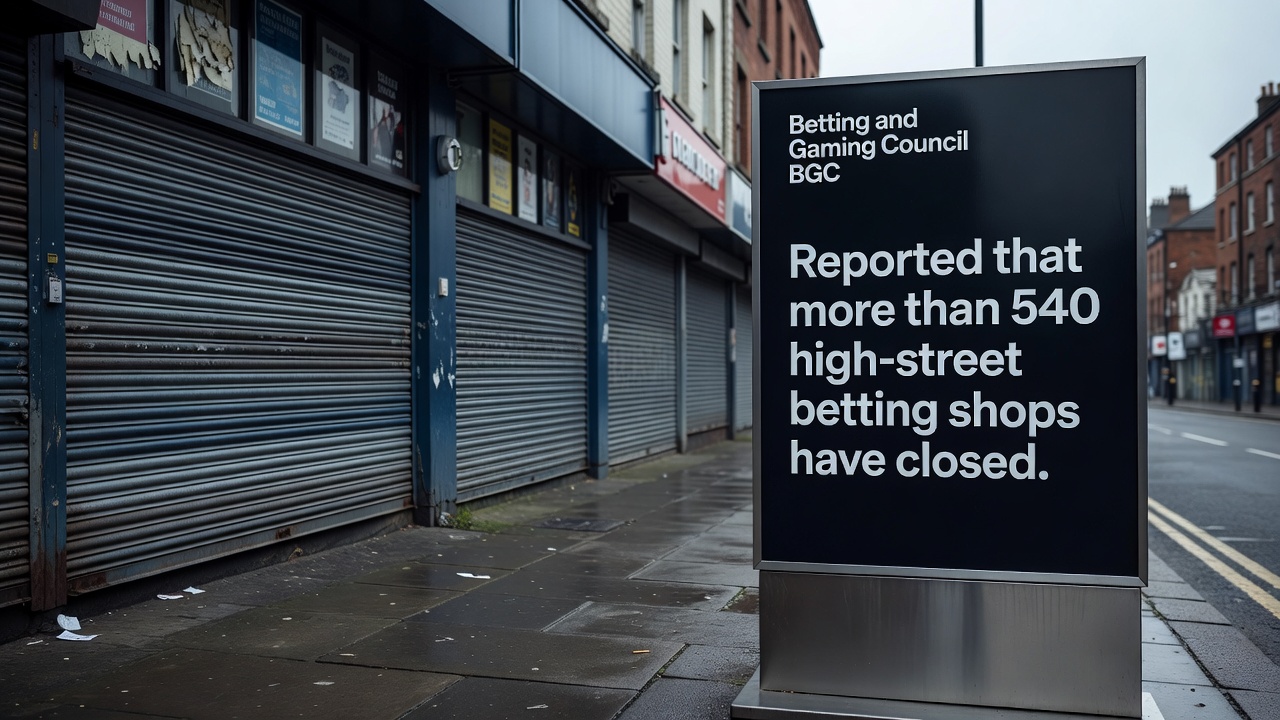
Shifting to bricks-and-mortar, betting premises GGY fell 7% to £549 million, reflecting footfall drops and online migration; high streets feel this pinch as punters opt for apps during commutes or evenings, although loyalists stick around for race-day atmospheres. Data indicates this mirrors a five-year arc from the March 2020 baseline, where lockdowns hammered physical sites initially, but recovery stalled amid hybrid habits.
Now, couple that with online's nuances—total GGY across channels shows offline holding about a third of the action, down from pre-2020 shares; experts observe how shop closures and consolidations play in, yet core revenue streams like over-the-counter bets persist. People who've watched shop metrics say the 7% slide ties to fewer visits per account, not vanishing crowds entirely; that's where the rubber meets the road for chains balancing rent against digital rivals.
So, as Q4 2025 wrapped, offline trailed online's £1.5 billion by nearly three times, highlighting a market where convenience reigns; March 2026 discussions among stakeholders circle back to this, debating shop viability amid e-wallet booms.
Bigger Picture: Consumer Shifts and Market Dynamics
Zooming out, the Commission's data from March 2020 to December 2025 traces a pandemic-fueled online boom tapering into selective play; Q4 2025's 2% online dip, 18% real events crash, 10% slots rise, and 7% offline drop weave a tapestry of adaptation—fewer sports bets amid economic squeezes, slots thriving on volume, shops adapting slowly. Active accounts across online real events shrank 7%, bets 6%, yet slots' gains offset enough to keep total online near-flat.
One study-like snapshot from the report: regulatory stake limits on slots didn't crater yields, as players spread plays thinner; observers note this echoes European peers where caps spurred innovation in game design. And here's where it gets interesting—while GGY metrics dominate headlines, underlying behaviors like deposit frequencies or self-exclusion rates (detailed elsewhere in the full dataset) provide context for operators tweaking offers. Those who've analyzed multi-year trends see Q4 2025 as a pivot point, with 2026 sports calendars poised to test resilience.
Yet, the writing's on the wall for balance: online commands the lion's share now, offline clings to traditions; data underscores how Great Britain's £2 billion-plus quarterly pot redistributes, favoring digital slots over shop counters or event odds. It's noteworthy that despite headwinds, total activity persists, just reshuffled.
Key Takeaways as 2026 Unfolds
In wrapping up, the UK Gambling Commission's Q4 2025 operator data—spanning March 2020 to December—lays bare a landscape where online GGY eases 2% to £1.5 billion, real event betting craters 18% to £530 million on slimmer bets and accounts, slots vault 10% to £788 million past limits, and offline premises shed 7% to £549 million; these shifts, current as March 2026 analyses go, spotlight evolving punter paths. Operators eye this for compliance and growth, while regulators monitor for consumer safeguards. The ball's in their court now, with fresh quarters ahead to reveal if patterns hold or flip.