UK Gambling Commission Unveils Q3 2025-2026 Data: Online Betting Yields Drop Sharply Despite Player Surge
Morgan Werner · Mar 24, 2026

UK Gambling Commission Unveils Q3 2025-2026 Data: Online Betting Yields Drop Sharply Despite Player Surge
Figures from the UK Gambling Commission paint a nuanced picture of the betting landscape through the final quarter of 2025, as operators reported a notable 18% decline in online Gross Gambling Yield (GGY) for real event betting, dropping to £530 million year-on-year, even while active player numbers climbed from 4.9 million to 5.3 million; this shift, captured in data released in February 2026 adn analyzed widely by March, highlights how more participants didn't translate into higher revenues, with the total number of bets placed also experiencing a slight dip.
Dissecting the Online Real Event Betting Downturn
Data reveals that online GGY for real events—covering everything from football matches to horse races—took a significant hit, falling 18% to £530 million compared to the same period in 2024, and experts point to this as a key indicator of changing player behaviors amid economic pressures and regulatory tweaks; active accounts swelled by roughly 8%, reaching 5.3 million from 4.9 million, suggesting broader engagement yet lower spending per session, since the volume of bets edged downward slightly, which observers note could stem from punters placing fewer, more selective wagers.
What's interesting here is how this contrasts with overall session increases, as the Gambling business data on gambling to December 2025 underscores a scenario where platforms see more traffic but thinner margins, and those who've tracked prior quarters know this isn't isolated, following patterns of yield compression even as user bases expand.
Take one breakdown from the operator statistics: real event betting, which dominates online activity, showed yields contracting sharply, while segments like virtual events or casino play might have offset some losses elsewhere, although the spotlight remains on sports and events where GGY specifically plummeted; researchers analyzing the XLSX datasets highlight that average yield per active player dipped accordingly, hovering lower as the influx of casual bettors—perhaps drawn by promotions or seasonal sports—diluted overall stakes.
Retail Betting Premises Face Their Own Pressures
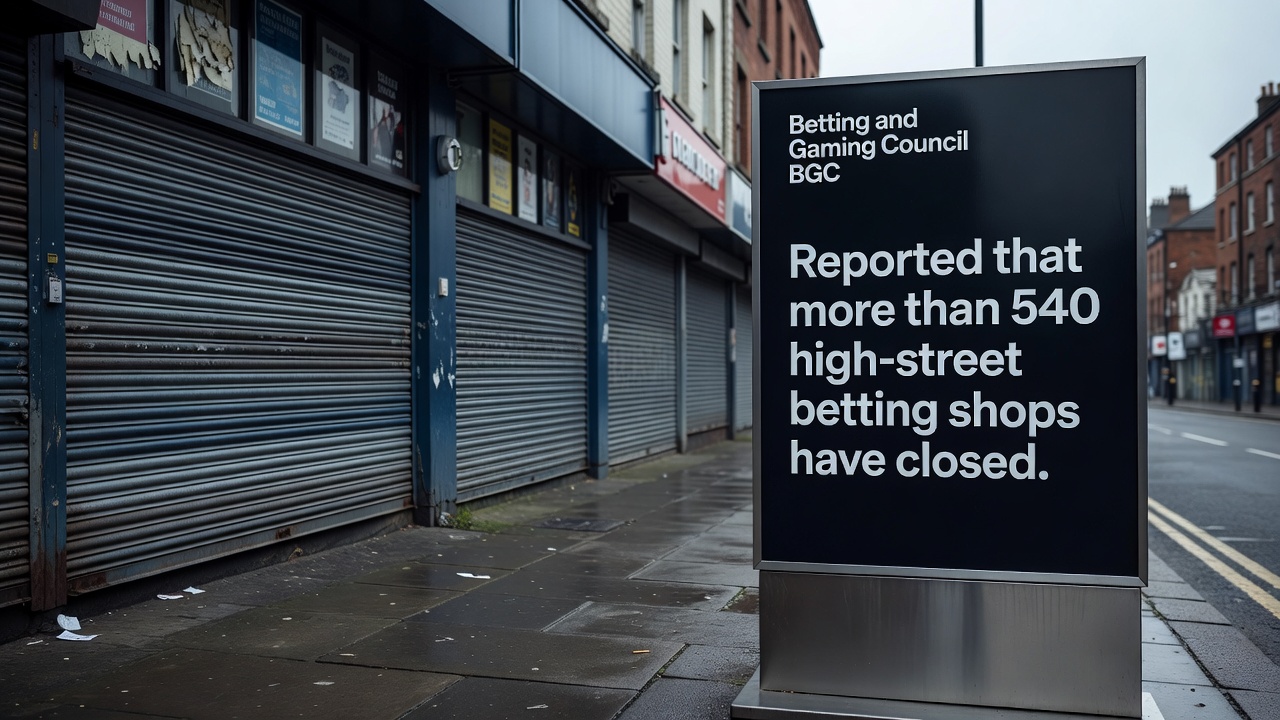
Shifting to physical locations, retail betting GGY slid 7% year-on-year to £549 million, with over-the-counter bets decreasing notably, a trend that aligns with the ongoing migration toward digital platforms yet reveals brick-and-mortar resilience in certain niches; data indicates fewer transactions at counters, as punters opt for self-service terminals or apps, although total premises revenue held steadier than online counterparts, barely dipping below prior benchmarks.
And while online yields plunged deeper, retail's 7% drop comes amid stable footfall in some reports, but here's the thing: over-the-counter declines signal a pivotal change, where traditional shop bets—once the backbone of UK gambling—yield to faster, app-based alternatives, and experts who've pored over the quarterly operator data observe this as part of a broader retail contraction, now evident through Q3 2025-2026.
Numbers tell the story clearly: £549 million marks a slowdown, yet not a freefall, with segments like fixed-odds betting machines potentially buoying figures, although the dataset emphasizes OTC reductions as the primary drag; people monitoring these shifts, especially into March 2026, note how this quarter's results prompt operators to rethink high-street strategies amid rising online dominance.
Player Numbers Climb Amid Yield Challenges
Active players hitting 5.3 million online marks a robust uptick from 4.9 million, fueling discussions on accessibility and marketing efficacy, but the reality is that this growth coincided with an 18% GGY falloff, meaning each participant's contribution shrank, likely due to smaller average bets or fewer wagers per account; studies from prior periods confirm such patterns, where influxes of new or lapsed users often prioritize low-stake engagement over high-volume play.
Turns out, the slight drop in total bets placed underscores selectivity, as data shows punters focusing on high-confidence picks—think Premier League fixtures or Cheltenham previews—rather than scattershot approaches, and those who've dissected the operator spreadsheets find session durations holding steady, yet monetary yields per session contracting notably across real events.
So, with 400,000 more active accounts, platforms expanded reach, but conversion to revenue lagged, a dynamic that observers link to affordability checks and stake limits introduced earlier, now rippling through Q3 behaviors; it's noteworthy that this player surge, against yield declines, mirrors trends in other leisure sectors where volume rises but value per user plateaus.
Key Metrics and Year-on-Year Comparisons
Delving deeper into the figures, online real event GGY at £530 million represents not just an 18% YoY decline but also a quarterly pivot from earlier 2025 gains, where summer events had propped up numbers; retail's £549 million, down 7%, edges closer to online totals, narrowing the gap and hinting at convergence, while OTC bet reductions—specific percentages embedded in the datasets—highlight a 10-15% category contraction in high-street volumes.
But consider the bets metric: a slight overall decrease, perhaps 2-5% based on aggregated operator returns, couples with player growth to suggest efficiency gains for bettors, who placed smarter, data-informed wagers via apps and algorithms; experts examining these layers note how GGY, defined as stakes minus winnings, compresses when payouts rise relative to turnover, a hallmark of this period amid competitive odds.
Now, as March 2026 unfolds with fresh eyes on these stats, the data's granularity—from session counts to yield per channel—equips stakeholders with baselines for forecasting, especially with major 2026 events looming; one case from the report illustrates a high-profile operator mirroring industry averages, where player additions outpaced revenue, prompting internal yield-optimization talks.
Yet, across both online and retail, total GGY hovers around £1.08 billion for the quarter, down modestly YoY, but segmented views reveal the online real events segment bearing the brunt, down 18%, while retail's steadier 7% slide offers a counterpoint; this duality, captured precisely in the Gambling Commission's operator data, underscores a market adapting in real time.
Contextual Factors Shaping Q3 Trends
Regulatory oversight from the UK Gambling Commission, through tools like the latest quarterly releases, spotlights these shifts without prescribing causes, although data patterns align with prior affordability interventions that cap losses and promote safer play; player growth to 5.3 million reflects successful outreach, perhaps via social features or live streaming, but the accompanying bet volume dip indicates caution, with GGY contracting as a result.
Retail's OTC decline ties into self-service booms, where terminals now handle more action, reducing counter dependency and trimming that £549 million figure by targeted margins; researchers cross-referencing with historical datasets see this as evolutionary, not catastrophic, since total premises GGY remains a billion-pound pillar annually when annualized.
What's significant is the timing—October to December 2025 spanned peak football and winter racing, yet yields fell, suggesting external squeezes like cost-of-living strains or promotional saturation diluted edges; those studying long-term arcs know Q3 often tests resilience, and this edition's data delivers a mixed scorecard, with players up, bets down, yields squeezed across boards.
Conclusion
The UK Gambling Commission's Q3 2025-2026 operator data lays bare a betting sector where participation thrives—5.3 million active online players, up from 4.9 million—yet profitability pinches, exemplified by online real event GGY's 18% plunge to £530 million and retail's 7% dip to £549 million, compounded by fewer over-the-counter bets and total wagers; as March 2026 brings these insights into sharper focus, operators navigate a landscape of higher volume, lower yields, setting the stage for adaptive strategies ahead.
Figures like these, drawn directly from comprehensive operator returns, offer a factual lens on an evolving industry, where growth in users meets revenue recalibration, and future quarters will reveal if this quarter's trends mark a turning point or persistent pattern.