UK Betting Markets Prepare for Record Activity Around 2026 FIFA World Cup
Morgan Werner · Jun 11, 2026
UK Betting Markets Prepare for Record Activity Around 2026 FIFA World Cup
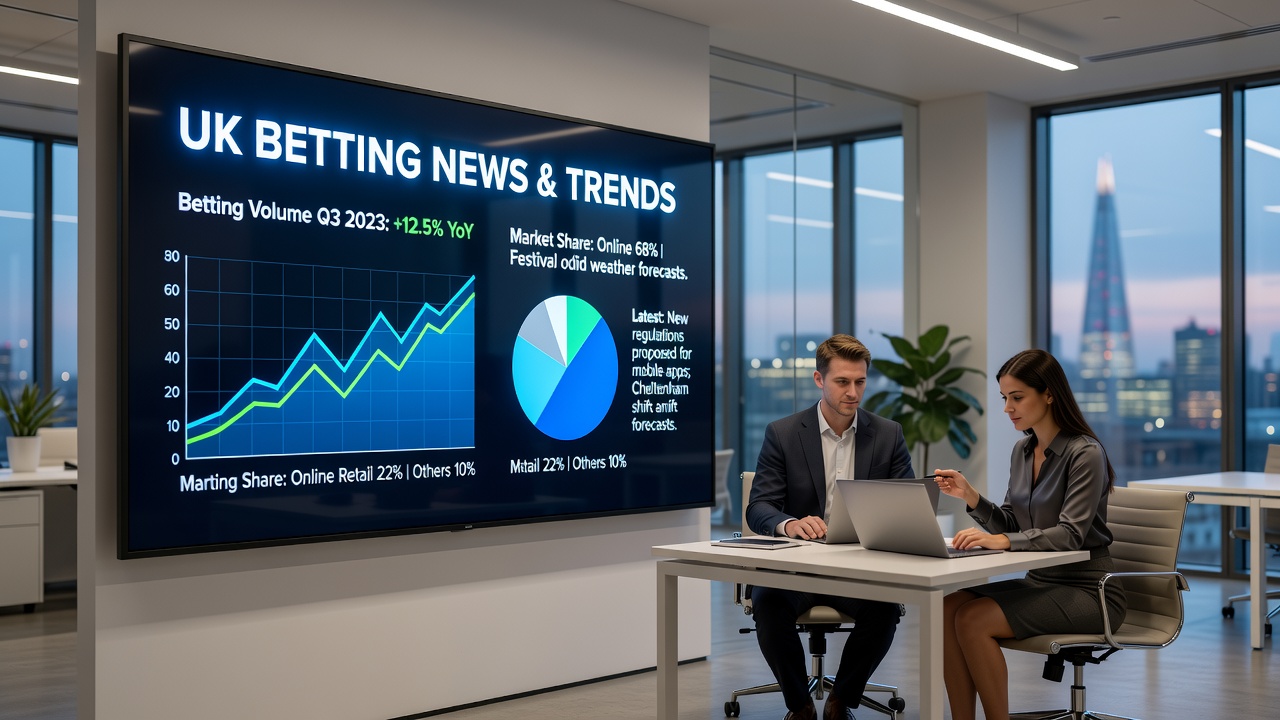
The FIFA World Cup set for June 2026 stands positioned to generate the highest level of betting activity the United Kingdom has witnessed, with projections pointing to substantial growth in wagering volumes across sports betting platforms. Observers tracking industry patterns note that major international football events consistently correlate with spikes in participation, yet the scale anticipated for this tournament exceeds previous benchmarks according to available forecasts. Data compiled ahead of the event highlights how operators expect increased engagement from both regular and occasional participants during the month-long competition.
Industry Projections and Expected Activity Levels
Forecasts shared in recent coverage indicate that the upcoming tournament will surpass earlier World Cup cycles in terms of overall betting turnover within the UK market. Those monitoring gambling statistics point to rising participation rates tied to the expanded format of the 2026 event, which features more teams and matches than prior editions. Figures from regulatory and market analyses suggest operators have already begun adjusting promotional strategies to accommodate the anticipated influx, including targeted offers around group stage fixtures and knockout rounds. This preparation reflects patterns observed in past tournaments where activity levels rose sharply once matches commenced.
Warnings on Cross-Promotion Practices
UK gambling reform campaigner Matt Zarb-Cousin has highlighted concerns that operators may direct users from sports betting interfaces toward casino products during the tournament period. According to statements referenced in coverage of the story, such cross-promotion tactics could expose participants to content associated wth higher rates of sustained engagement. Campaigners in this space have previously documented similar shifts in marketing approaches around high-profile events, where initial sports wagers serve as entry points to additional game types. The warning arrives as broader conversations continue around potential harms linked to expanded gambling access, particularly when promotional pathways connect different categories of betting products.
Researchers examining player behavior patterns have noted that seamless transitions between sports betting and casino offerings can influence session lengths and spending habits. Data from past major tournaments shows elevated activity across multiple product verticals once initial engagement begins, creating opportunities for operators to present varied options. Zarb-Cousin's comments underscore calls for closer scrutiny of these practices ahead of the June 2026 competition, especially given the projected volume of new and returning participants.
Context of Gambling Harms Discussions
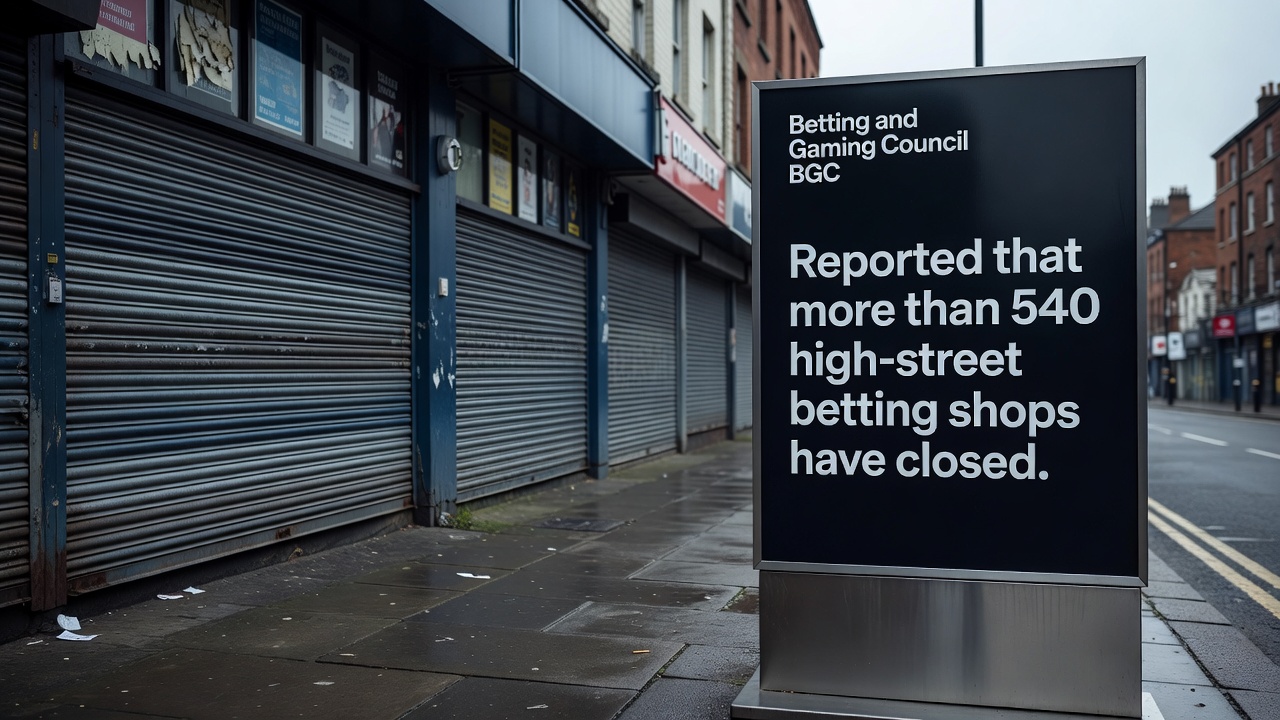
Current debates around gambling harms encompass questions about how major sporting events intersect with responsible gambling measures and operator conduct. Stakeholders involved in these discussions reference evidence indicating that large-scale tournaments can amplify both positive and negative outcomes depending on the safeguards in place. Reports tracking problem gambling indicators have identified temporary upticks in help-seeking behaviors following periods of heightened betting activity, though long-term trends require further longitudinal study. Industry representatives maintain that existing tools such as deposit limits and self-exclusion options provide necessary protections, while reform advocates argue for additional restrictions on marketing during peak events.
Regulatory bodies continue to review operator compliance with advertising standards, particularly around the promotion of multiple product types within single customer journeys. Evidence presented in parliamentary and public forums has examined the effectiveness of current harm reduction strategies, with some analyses suggesting that cross-category promotions warrant specific attention. The upcoming World Cup provides a focal point for these ongoing evaluations, as stakeholders assess whether additional guidance may be required before the tournament begins.
Market Trends and Operator Preparations
Operators have signaled readiness to manage increased traffic through enhanced platform capacity and staffing adjustments, drawing on lessons from earlier events like the 2022 World Cup and domestic league seasons. Market data reveals steady growth in mobile betting participation over recent years, with a significant portion of activity expected to occur via smartphone applications during the 2026 fixtures. Analysts tracking revenue streams note that sports betting has maintained a dominant share of online gambling expenditure, although casino products continue to represent a substantial secondary category. This distribution informs the strategic decisions around promotional content that Zarb-Cousin referenced in his remarks.
Broader industry trends show operators investing in data analytics to personalize offerings, a development that raises parallel questions about targeting during high-visibility periods. Figures released by the UK Gambling Commission in preceding quarters have illustrated fluctuations in gross gaming yield across different segments, providing context for expectations around the forthcoming tournament. Those following these metrics anticipate that the combination of event scale and digital accessibility will produce measurable effects on overall activity levels.
Conclusion
Projections for the 2026 FIFA World Cup point to record betting engagement across the UK, accompanied by specific cautions regarding promotional pathways between sports and casino content. The statements from Matt Zarb-Cousin and the surrounding regulatory discussions reflect established patterns of heightened activity during major tournaments while highlighting areas of ongoing policy focus. As the event approaches, available information suggests that both industry participants and oversight bodies will continue monitoring outcomes to inform future approaches to gambling regulation and harm mitigation.