UK Betting Customers Reject Financial Data Demands in Gambling Affordability Checks Showdown
Cameron Keller · Apr 11, 2026

UK Betting Customers Reject Financial Data Demands in Gambling Affordability Checks Showdown
The Survey That Sparked the Firestorm
A recent survey of over 2,000 UK punters reveals that nearly two-thirds, precisely 65%, have pledged to withhold financial details like bank statements from the proposed online gambling affordability checks; these checks, under consideration by the Gambling Commission, aim to assess betting limits based on personal spending data, yet figures indicate strong resistance among customers who view such demands as crossing a privacy line that's hard to uncross.
What's interesting here is how this data emerges right as the industry braces for implementation talks in April 2026, with punters signaling they'll walk away rather than comply, potentially reshaping daily betting habits from football matches to horse races; researchers who conducted the poll note that responses cut across demographics, including casual fans and regulars, underscoring a broad consensus against intrusive verification.
And while the Gambling Commission pushes forward with trials, this survey drops like a bombshell, highlighting that people who've grown accustomed to seamless apps and quick wagers don't want bureaucratic hurdles slowing them down; turns out, the ball's in the regulators' court now, as customer pushback could force a rethink before these checks roll out nationwide.
Racing Industry Mobilizes with Open Letter
Over 400 prominent figures from British horse racing, trainers like Lucinda Russell and Robert Waley-Cohen among them, have penned a letter to Culture Secretary Lisa Nandy, urging her to scrap the affordability reforms entirely; they warn of a £250 million hit to the sector over five years, driven by bettors fleeing to less regulated options, and that's not all, since lost tax revenue could reach £200 million for HM Treasury if punters shift to illegal operators.
Experts in the racing world point out that such economic fallout would ripple through stables, tracks, and events like Cheltenham, where wagering fuels the spectacle; one trainer involved in the letter campaign observes that while protecting vulnerable players matters, these checks risk killing the golden goose that sustains the sport, especially as black market sites lure away customers with no questions asked.
But here's the thing: the signatories, ranging from jockeys to executives, emphasize that the reforms overlook how racing thrives on recreational betting, not high-rollers alone; data from similar past measures in other markets shows player migration spikes, and those who've studied this know the writing's on the wall for UK tracks if changes proceed unchecked.
Industry Leaders Voice Sharp Criticism
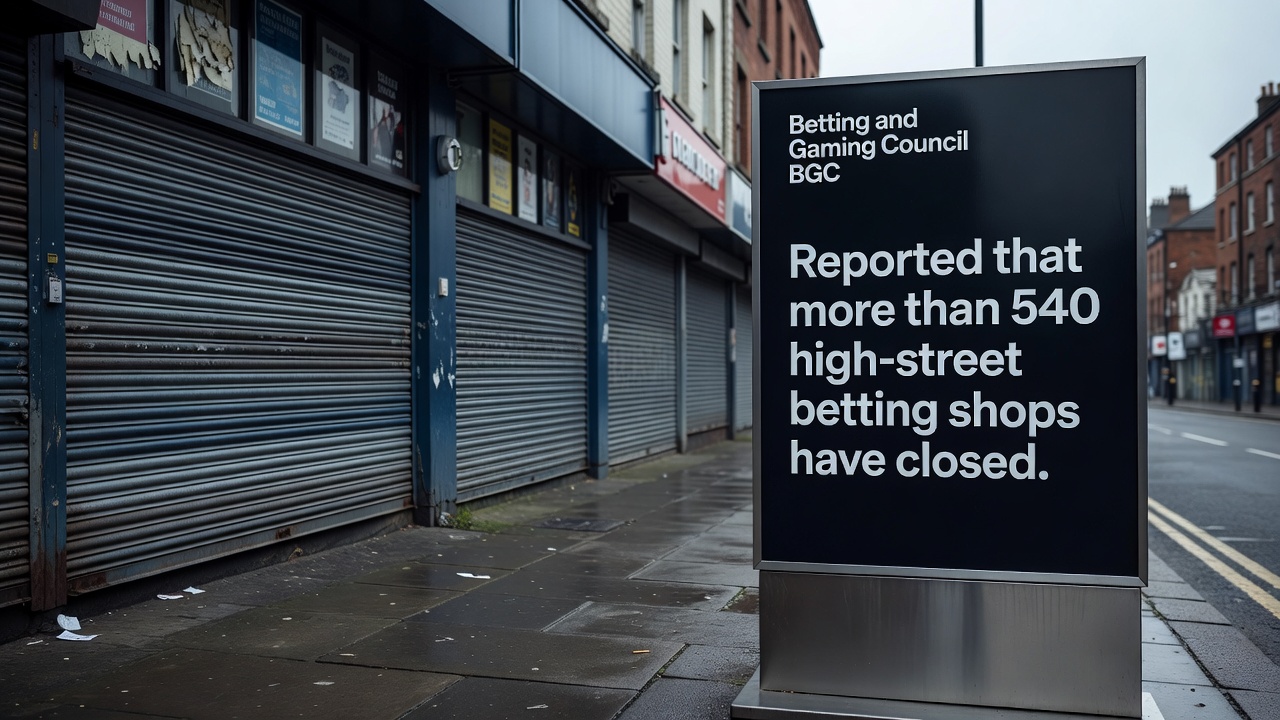
Betting and Gaming Council CEO Grainne Hurst has labeled the plans overly intrusive, arguing they treat every punter like a problem gambler and ignore the vast majority who bet responsibly; her stance echoes sentiments from operators who fear these checks will drive customers offshore or underground, particularly as April 2026 approaches with no clear exemptions in sight.
Take the case of one industry analyst who crunched the numbers: affordability checks could slash gross gaming yield from racing bets by double digits, mirroring drops seen in Australia after similar rules kicked in; observers note that while regulators cite player protection, the reality is a potential exodus to unlicensed platforms that offer faster deposits and no data demands.
So as Hurst rallies against what she calls a sledgehammer approach to a nuanced issue, other leaders chime in, stressing that self-exclusion tools and deposit limits already exist, making bank statement scrutiny feel like overkill; it's noteworthy that this unified front from the BGC amplifies the racing letter, creating a chorus that's hard for policymakers to ignore.
Economic Stakes and Broader Implications
Figures reveal the proposed checks could cost British horse racing £250 million over five years through reduced handle and sponsorship dips, while HM Treasury faces a £200 million tax shortfall as legal betting volumes shrink; researchers tracking gambling economics highlight that illegal operators, often based abroad, stand ready to capture this shift, offering anonymous wagers on Premier League games or Grand National odds without the red tape.
People in the know have seen this play out before, like in Sweden where strict checks led to a 15% black market surge within months; and although UK regulators tout frictionless friction to curb harm, data indicates most bettors, those 65% from the survey included, prefer platforms where funding flows swiftly via cards or e-wallets, not endless document uploads.
Yet now, with April 2026 trials looming, the pressure mounts on Nandy's desk, as racing stakeholders predict job losses at tracks and a dimmer future for events that draw crowds nationwide; one study from industry economists even projects a 10-15% drop in levy contributions, the funds that keep training yards afloat amid rising costs.
Player Privacy vs. Protection Debate
This clash boils down to balancing privacy with safeguards, where 65% of surveyed customers draw a firm line at sharing statements, fearing data misuse or delays in placing bets; experts who've analyzed compliance costs estimate operators could spend millions on verification tech, passing fees onto users who just want straightforward soccer accumulators or live casino spins.
What's significant is how the survey captures frustration with proportionality; punters argue that self-set limits suffice, and cases abound of players abandoning sites after one too many ID checks, flocking instead to apps that prioritize speed and simplicity.
Regulatory Path Forward Amid Backlash
The Gambling Commission continues refining these affordability thresholds, set to trigger checks at spending levels like £1,000 monthly for some demographics, but industry data suggests even modest triggers will alienate the recreational crowd; turns out, voluntary tools like GAMSTOP already help high-risk players, yet mandatory financial probes feel like a step too far for most.
And as the racing letter gains traction, with over 400 signatures pouring in weekly, Culture Secretary Nandy faces calls to pause and consult further; observers point to Northern Ireland's softer approach, where checks rely on credit data without statements, yielding compliance without the revolt.
Here's where it gets interesting: if reforms stick, betting shops and online platforms might see hybrid models emerge, blending basic checks with opt-outs for low-stakes users, though skeptics doubt it'll satisfy the 65% who've already voted with their resolve.
Conclusion
As backlash builds from punters, racers, and leaders alike, the affordability checks proposal hangs in the balance, with survey data showing 65% refusal rates and economic warnings of £450 million combined losses underscoring the high stakes; while the Gambling Commission presses on toward April 2026 pilots, this unified resistance signals that change, if it comes, must navigate customer trust carefully, lest legal betting cedes ground to shadows.
In the end, stakeholders watch closely, knowing that the rubber meets the road when policies hit real wallets and racecourses; data from this pivotal moment will shape gambling's landscape for years, balancing protection with the freedom that keeps the industry thriving.