Tracing Transaction Pathways: How Integrated Systems Route Funds, Adjust Live Lines, and Route Queries Across Football Markets, Racing Events, and Dealer Tables
Mia Simmons · Jul 13, 2026
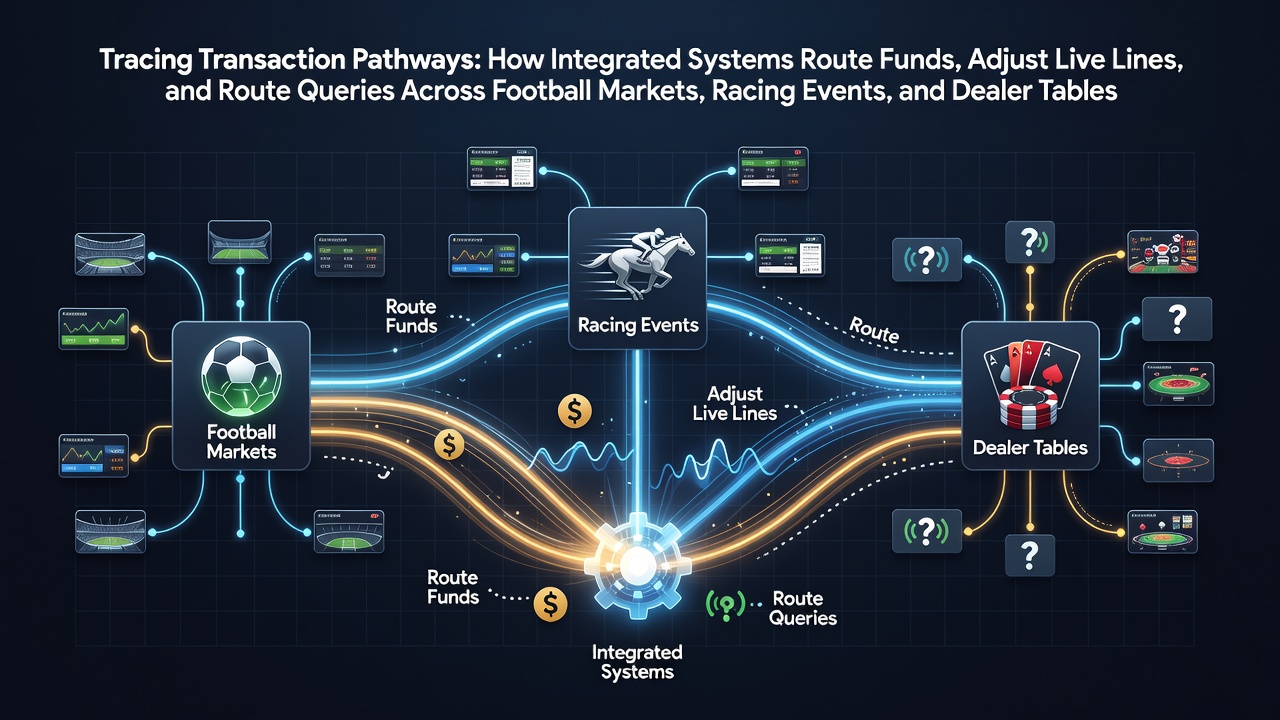
Tracing Transaction Pathways: How Integrated Systems Route Funds, Adjust Live Lines, and Route Queries Across Football Markets, Racing Events, and Dealer Tables
Modern betting platforms rely on interconnected systems that move funds, update odds in real time, and direct customer queries between football markets, racing events, and live dealer tables; these networks operate through layered architecture that processes each transaction type according to specific rules and priorities. Observers note that the pathways begin at the user interface where a bet placement triggers simultaneous checks across balance ledgers, risk engines, and market data feeds before funds are allocated or odds shift.
Fund Routing Mechanics in Multi-Market Environments
Transaction pathways start when a player initiates a deposit or wager, at which point the system routes the request through payment gateways that verify compliance with regional licensing standards before crediting the account balance. Data shows that funds then flow into segmented wallets, one for sports markets including football, another for racing pools, and a third for table games, with each segment maintaining separate audit trails that regulators can access during routine reviews. Researchers at institutions like the Australian Gambling Research Centre have documented how these segmented ledgers prevent cross-market contamination while allowing instant transfers when a player moves from one category to another mid-session.
Adjustments to live lines occur in parallel because the risk management module monitors liability across all active events and recalculates odds whenever incoming wagers exceed predefined thresholds. In football markets this might mean tightening spreads on a high-volume match, while racing events see pool odds fluctuate based on tote allocations, and dealer tables adjust table limits according to player volume and win streaks recorded in the session log.
Live Line Adjustments Across Event Types
Integrated platforms use centralized odds engines that pull data from multiple sources including exchange feeds, track officials, and in-play sensors, then push revised prices back to the front end within milliseconds. Studies from the University of Nevada, Reno indicate that these engines apply different weighting factors depending on the market, giving football in-play adjustments higher sensitivity to goal probabilities while racing lines respond more directly to scratch reports and pace changes. Dealer table lines, by contrast, incorporate real-time card counts and player behavior metrics before the system broadcasts updated payout ratios to waiting participants.
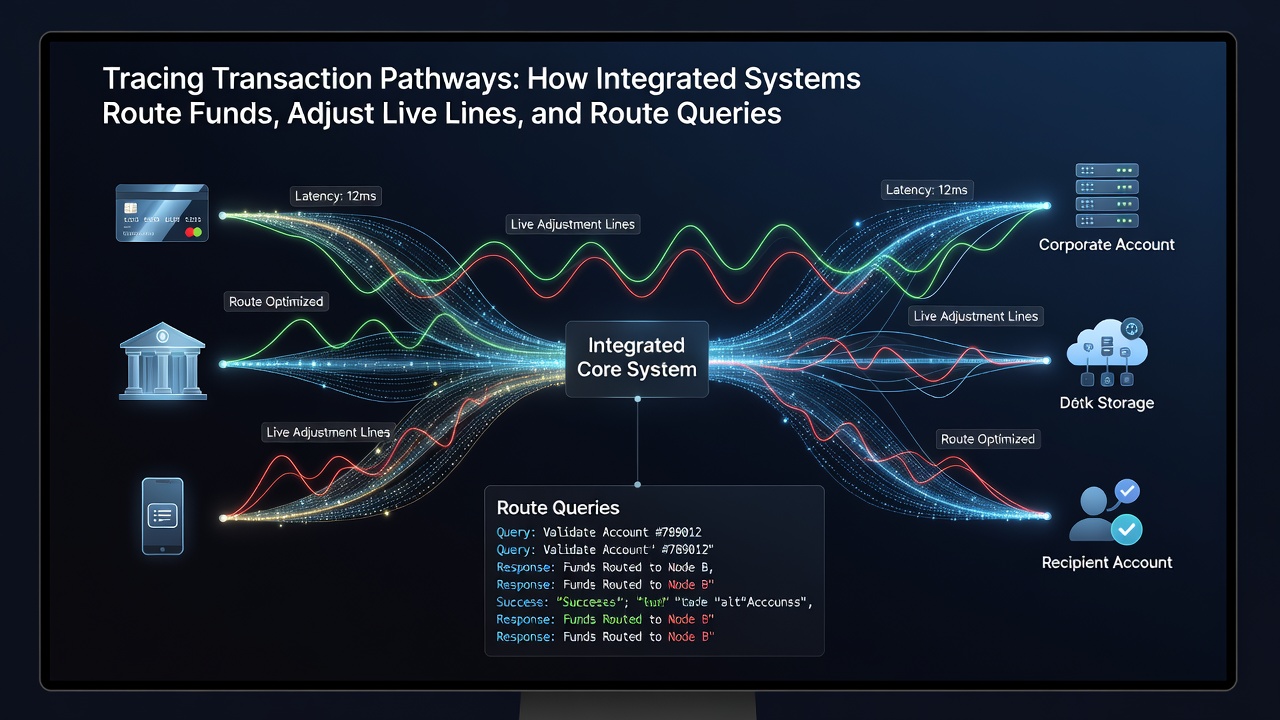
Query routing follows a separate but linked pathway where customer service requests, balance inquiries, and settlement disputes are tagged with market identifiers and directed to the appropriate backend module. A query originating from a football accumulator might pass through the sports risk engine first, whereas a racing payout question routes directly to the tote settlement system, and a dealer table dispute enters the RNG verification queue before returning a response through the unified messaging layer.
Query Handling and Cross-Market Integration
Systems achieve this routing efficiency through API gateways that maintain session context across different product verticals, allowing a single customer support interaction to reference data from football, racing, and table activity without requiring the player to repeat details. In July 2026, platform operators reported increased query volumes during major overlapping events, prompting further refinement of load-balancing algorithms that prioritize high-value accounts while maintaining equitable response times for all users. The same gateways also handle promotional credit allocation, ensuring bonus funds from a football campaign remain isolated from racing or casino balances unless the player explicitly transfers them under platform rules.
Security protocols add another layer, encrypting each segment of the pathway and logging every hop so that forensic teams can reconstruct the exact sequence of fund movements, line changes, and query resolutions when discrepancies arise. Industry reports from the Pennsylvania Gaming Control Board highlight how these audit capabilities have become standard requirements in licensing renewals across multiple jurisdictions.
Conclusion
Tracing these pathways reveals a tightly coordinated infrastructure where fund routing, live line adjustments, and query management operate as interdependent processes across football, racing, and dealer environments. Continued evolution of these systems reflects ongoing regulatory expectations and technological advances that keep transactions accurate and traceable regardless of the markets involved.