Integrated Payment Systems and Reward Mechanisms in Football, Horse Racing, and Live Dealer Environments
Mia Simmons · Oct 26, 2026
Integrated Payment Systems and Reward Mechanisms in Football, Horse Racing, and Live Dealer Environments
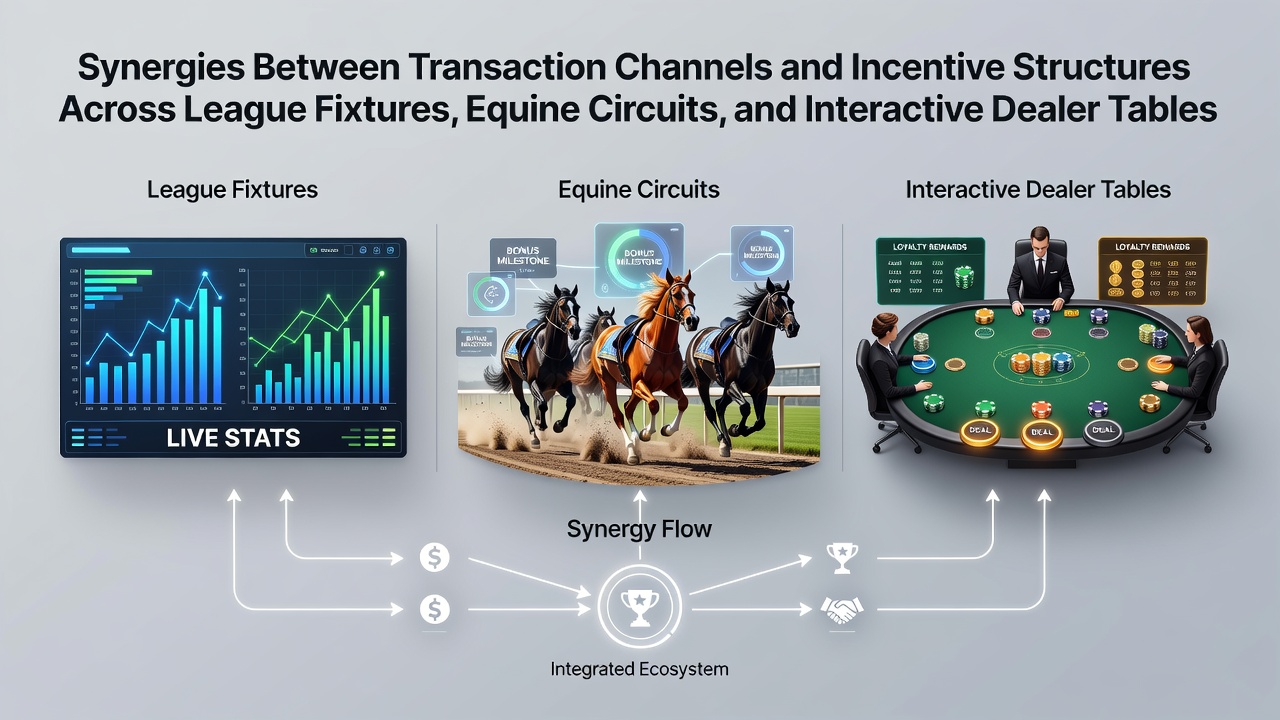
Payment methods and promotional structures often intersect in platforms that handle football fixtures, horse racing events, and live dealer games, creating operational alignments that operators track through user data and transaction logs. These alignments appear in how deposit options pair with bonus triggers, while withdrawal processes connect to loyalty tiers across different betting categories.
Payment Channels in Football Markets
Football betting platforms typically integrate bank transfers, e-wallets, and card payments with deposit bonuses that activate on match-specific wagers, and data from industry reports shows these combinations appear in Premier League and European league fixtures. Observers note that instant deposit features allow users to place bets during live matches, while reward structures adjust based on volume thresholds reached in a single game week. Studies from academic sources indicate that such pairings increase repeat transaction rates in football sections compared to standalone promotions.
Equine Racing and Funding Alignments
Horse racing circuits connect transaction speeds to incentive programs through apps that process deposits before race starts, and these systems often tie cashback offers to accumulated stakes on steeplechase or flat events. Researchers have documented how loyalty points accrue across multiple tracks when users maintain consistent funding methods, creating a loop where withdrawal options influence the timing of reward redemptions. One analysis from the European Gaming and Betting Association highlights that equine betting sees higher engagement when deposit bonuses scale with fixture density during peak racing seasons.
Live Dealer Table Incentives
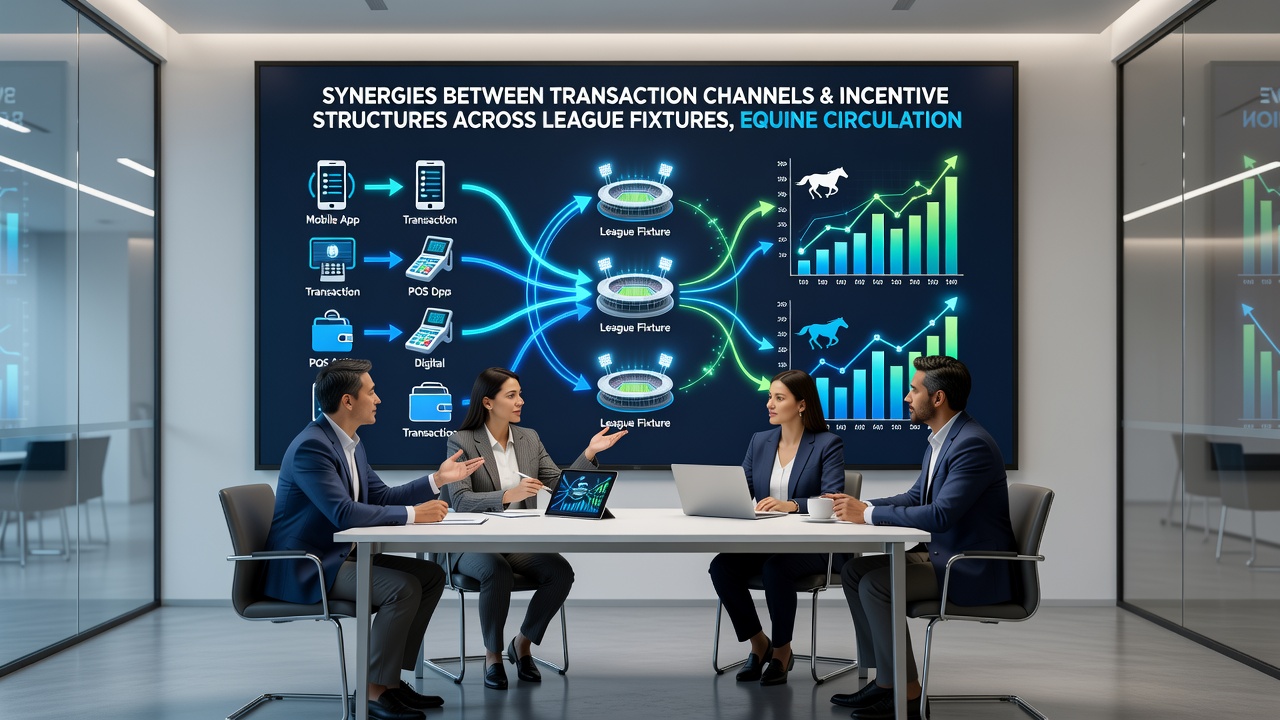
Interactive dealer environments in casino sections link payment gateways directly to table-specific promotions, such as matched deposits that apply to blackjack or roulette sessions, while data logs track how users shift funds between live games and other verticals. Those who monitor platform metrics report that withdrawal processing times correlate with bonus rollover requirements in dealer streams, and this linkage appears consistent across multiple operator datasets. Figures from university-led gambling studies reveal patterns where mobile funding tools support continuous play in live dealer formats without separate account transfers.
Cross-Vertical Transaction Patterns
Platforms that span football, racing, and dealer tables show shared payment infrastructures where a single deposit method unlocks tiered incentives across all three areas, and operators adjust these structures based on aggregated user activity. What's notable is the way loyalty programs consolidate points from league bets, equine wagers, and table sessions into unified reward pools, allowing seamless redemptions. External reports from groups like the American Gaming Association indicate that these integrated channels reduce friction in multi-category accounts during high-volume periods such as October 2026, when overlapping sports and racing calendars increase overall transaction flows.
Support systems further reinforce these connections by routing queries about funding and bonuses through unified channels, regardless of the betting type involved. Evidence from industry research papers shows that users who maintain one primary payment source across verticals encounter fewer interruptions in incentive claims. And platforms continue to refine these alignments as transaction volumes grow in combined football, racing, and live dealer offerings.
Conclusion
The documented connections between payment processing and reward systems across these betting categories rest on observable platform data and transaction records, with operators applying similar principles to football fixtures, equine events, and dealer tables. These patterns emerge from consistent use of funding tools paired with scaled incentives, as tracked in various regulatory and academic sources outside the UK context.