Gordon Brown Urges Higher Machine Games Duty to Support Energy Bill Relief
Cameron Keller · Aug 27, 2026

Gordon Brown Urges Higher Machine Games Duty to Support Energy Bill Relief
Former UK Prime Minister Gordon Brown has called for an increase in machine games duty on gaming machines located in betting shops and adult gaming centres, a move that could generate up to £500 million to ease rising household energy bills, and the proposal emerged during an appearance on BBC Radio 4's Today programme where he connected the idea to actions expected from new Prime Minister Andy Burnham.
The Core of the Proposal
Brown suggested raising the duty rate on these machines as a targeted revenue source that would help households facing higher energy costs without broader tax changes, and this approach focuses specifically on fixed-odds betting terminals and similar devices that operate in high-street locations across the country. Observers note that the timing aligns with ongoing government efforts to manage public finances while addressing cost-of-living pressures that have persisted into 2026.
Data from industry monitoring shows these machines already contribute through existing duty structures, yet Brown argued the current levels leave room for adjustment that could unlock substantial additional funds. The proposal avoids direct increases on other forms of gambling and instead homes in on physical gaming devices found in betting shops and adult gaming centres.
Connection to Current Government Direction
During the radio discussion Brown tied the recommendation to steps anticipated from Andy Burnham, who recently assumed the role of Prime Minister, and this linkage positions the duty increase as part of a wider fiscal strategy rather than an isolated measure. People familiar with the broadcast report that Brown presented the idea as a practical step that could deliver quick revenue while supporting energy bill assistance programmes.
The suggestion comes at a moment when household energy costs continue to draw attention from policymakers, and Brown framed the machine games duty hike as one route to generate dedicated resources without affecting general taxation levels. Analysts tracking these statements highlight how the proposal builds on previous discussions around gambling taxation and public spending priorities.
Industry Warnings and Projected Effects
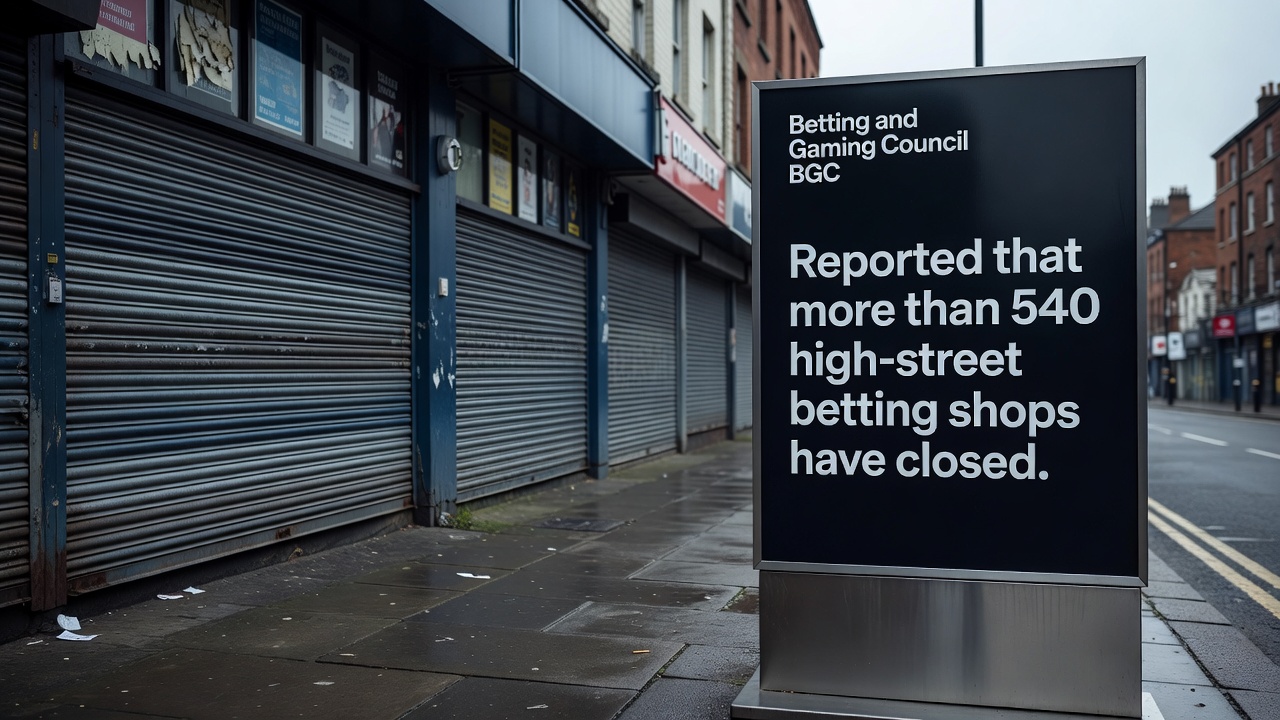
The British Horseracing Authority and the Betting and Gaming Council responded quickly by warning that any rise in machine games duty would speed up the closure of betting shops, lead to job losses in the sector, reduce funding available for horseracing through the levy and media rights agreements, and push more activity toward unregulated black market operators. These organisations pointed to existing pressures on high-street betting outlets and stated that further tax burdens could tip marginal locations into unprofitability.
Industry estimates referenced in coverage of the announcement suggest that accelerated closures would follow directly from higher operating costs, and those same estimates link reduced shop numbers to lower overall contributions to racing through established levy mechanisms. The Betting and Gaming Council has previously highlighted similar patterns where duty changes coincided with site reductions and staff reductions in certain regions.
Representatives from both bodies also flagged the risk of increased black market participation, noting that higher costs on regulated machines could encourage some players to seek unregulated alternatives that operate outside current oversight frameworks. This shift, they argue, would remove the tax revenue entirely while removing consumer protections that licensed operators must follow.
Broader Context Around August 2026
As discussions continue into August 2026, the proposal sits alongside other fiscal measures under consideration by the new administration, and observers point out that energy bill support remains a visible priority for households dealing with seasonal price fluctuations. The Racing Post report on Brown's comments provides additional background on how the duty increase would apply across betting shops and adult gaming centres without extending to online platforms or other gambling formats.
Those monitoring the sector note that any implemented change would require legislative steps and consultation periods, yet the initial announcement has already prompted statements from racing and betting representatives about downstream effects on employment and industry funding streams. The British Horseracing Authority has emphasised the importance of maintaining stable contributions to the sport through existing levy arrangements that rely partly on machine revenues.
Next Steps and Ongoing Debate
Following the radio interview, attention has turned to whether the new Prime Minister will incorporate elements of the proposal into upcoming policy announcements, and industry groups continue to prepare responses that detail potential job impacts and funding shortfalls for horseracing. The Betting and Gaming Council has indicated it will engage with government departments to present data on shop viability and black market risks if the duty adjustment moves forward.
Further analysis from sector observers suggests that the scale of any revenue gain would depend on the final duty rate chosen and the number of machines that remain operational after implementation, and these calculations form part of the wider discussion around balancing public revenue needs with sector sustainability. The original Racing Post coverage outlines the key figures and responses tied to Brown's statements.
Conclusion
The call from Gordon Brown for higher machine games duty has set off immediate reactions from the British Horseracing Authority and the Betting and Gaming Council, both of which highlight risks to betting shop numbers, employment levels, racing funding, and regulated market share. The proposal targets up to £500 million in additional revenue for energy bill support and connects directly to expectations around new Prime Minister Andy Burnham's policy direction. As August 2026 progresses, stakeholders across government and industry continue to assess the practical implications of any duty adjustment on physical gaming machines in betting shops and adult gaming centres.