Criminal Black Market Hits Jackpot at Aintree: £100 Million in Illegal Grand National Bets
Rafael Perry · Apr 18, 2026

Criminal Black Market Hits Jackpot at Aintree: £100 Million in Illegal Grand National Bets
The Betting and Gaming Council (BGC) unveiled stark figures last week showing how criminal black market operators turned the Grand National horse racing festival at Aintree into a goldmine, with punters wagering up to £100 million illegally across the three-day event in late April 2026—including a whopping £40 million on the headline race itself; this revelation spotlights the shadowy underbelly of gambling that thrives amid major UK sporting spectacles.
That weekend, as tens of thousands packed the Aintree stands under clear spring skies, licensed bookmakers handled their usual brisk trade, yet underground networks siphoned off massive sums through unregulated channels; the BGC, representing the regulated betting sector, tracked these illicit flows using industry intelligence and market analysis, painting a picture of bettors chasing odds without the safeguards baked into legal platforms.
Unpacking the Black Market Boom During the Festival
Grand National weekend always draws a frenzy—families, high-rollers, casual punters all converging on Merseyside for jumps, thrills, and the famous chair-throwing finish—but this year, black market bookies cashed in bigger than ever; figures from the BGC indicate illegal stakes hit that £100 million ceiling over Friday's opener, Saturday's marquee race, and Sunday's closer, dwarfing previous estimates for similar events.
Take the main event on Saturday: I Am Maximus stormed to victory in a field thinned by early fallers, yet while licensed firms like Bet365 and William Hill processed verified bets with real-time limits adn ID checks, offshore criminals lured punters via social media ads and dodgy apps promising inflated odds; £40 million poured into those channels alone, according to BGC data, as bettors overlooked the risks of non-payment, data theft, or worse.
What's interesting here lies in the tactics: these operators flooded Telegram groups, Instagram stories, and even TikTok with teaser clips of past Nationals, directing traffic to unlicensed sites hosted in jurisdictions beyond UK reach; observers who've monitored such patterns note how the festival's hype—amplified by TV coverage reaching millions—creates perfect cover for scams that vanish post-race, leaving losers high and dry.
Day-by-Day Breakdown of Illicit Activity
- Friday (Opening Day): Lighter card but steady build-up; black market takes estimated £20-25 million as punters test waters on early handicaps.
- Saturday (Grand National Proper): Peak frenzy with £40 million illegal on the 4:00 PM showdown; favorites like Vanillier drew heavy action despite the winner's surprise charge.
- Sunday (Final Day): Chases and bumpers wrap up; remaining £35-40 million flows underground, capping the weekend haul.
And that's the reality; licensed operators reported solid volumes too—BGC members collectively took billions in regulated bets over the years—but the illegal slice erodes trust, funnels cash to criminals, and starves legitimate firms of revenue needed for innovation.
The Perils of Unregulated Gambling Laid Bare
Licensed betting outfits in the UK embed consumer protections deep into their operations—age gates via GAMSTOP, deposit caps, reality checks, self-exclusion tools—yet black market sites strip all that away, exposing users to unchecked addiction, underage access, and fraud; the BGC highlighted how these operators dodge every safeguard, turning a fun punt into potential disaster.
Picture a young punter, thrilled by the National's pageantry, clicking a shady link for "guaranteed winners"; no verification pops up, bets fly without limits, and winnings? Often ghosts in the machine; data from industry trackers like the International Betting Integrity Association reveals similar patterns globally, where unregulated platforms fuel match-fixing and money laundering alongside personal ruin.
But here's the thing: escalating costs hit legal operators hard—compliance tech, staff training, advertising curbs—while black market crews operate scot-free from servers in lax havens; the BGC cautioned that without balanced regulation, more bettors drift toward these hazards, especially during peaks like Aintree when excitement overrides caution.
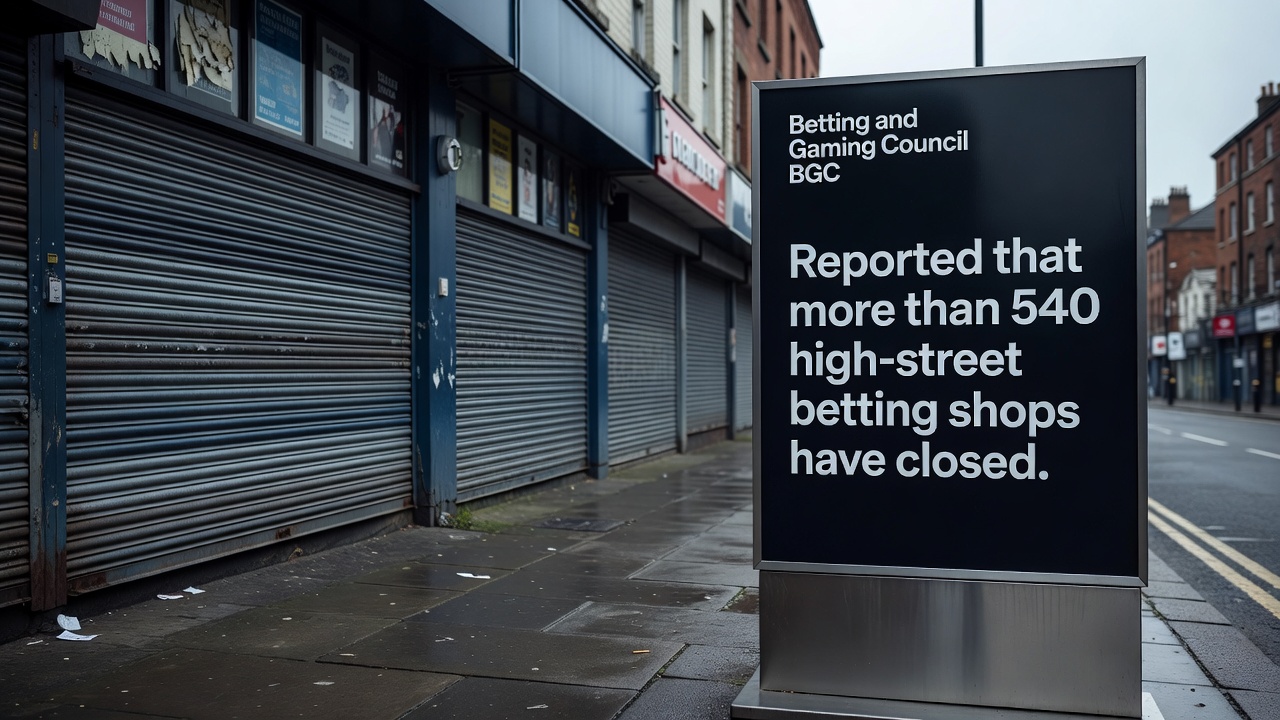
BGC's Stark Warning on Regulatory Squeeze
As operational burdens mount—think enhanced affordability checks, higher levies, rigorous AML scrutiny—legit firms pass costs to customers via tighter margins or fewer promos, nudging some toward illegal alternatives; the BGC's statement post-Aintree drove this home, urging policymakers to ease up on compliant players lest the black market swells further into 2026's sports calendar.
Those who've studied the sector point to precedents: during Cheltenham's Gold Cup week earlier in the year, similar underground surges occurred, though Aintree's numbers topped them; experts from groups like the Australian Communications and Media Authority have cracked down on cross-border ops targeting events like the Melbourne Cup, blocking thousands of sites and underscoring how global enforcement lags behind digital agility.
Turns out, punter behavior plays in too; surveys cited by the BGC show many chase better "value" on unlicensed boards, unaware that 30-40% of such bets end in disputes or defaults; at Aintree, whispers among racegoers revealed Telegram tips circulating freely, pulling in novices alongside veterans frustrated by legal limits.
Grand National's Enduring Pull and Hidden Shadows
Aintree's festival isn't just races—it's tradition wrapped in spectacle, from the world's oldest steeplechase to celebrity enclosures buzzing with stars; 2026 delivered drama aplenty, with fog delaying starts and a reduced field of 34 runners after welfare-driven reforms, yet black market operators exploited every angle, from ante-post markets to in-play chaos.
One case observers flagged involved a viral social post promising 10/1 on the winner—I Am Maximus paid 8/1 legally—drawing floods to fake bookies; licensed platforms countered with boosts and cash-out options, but the unregulated allure proved too strong for some, especially as mobile betting hit record highs festival-wide.
Now, with summer fairs like Royal Ascot looming, the BGC's data serves as a wake-up; patterns repeat because the incentives align—criminals pocket full stakes sans payouts, punters gamble on the rush, and regulators chase shadows across borders.
Industry Response and Path Forward
BGC members ramped up warnings pre-festival via campaigns tagging #BetLegal, partnering with influencers to highlight risks; post-event analysis refined their intel-sharing with enforcers, aiming to disrupt networks before next year's blowout.
People often find that education sticks when tied to real stories—like the punter who lost £5,000 on a sham site during last year's National, only recovering pennies through chargebacks; such tales, amplified by trade bodies, underscore why protections matter, even if they crimp the fun a touch.
So while Aintree's echoes fade—the cheers, the spills, the champ's parade— the £100 million shadow lingers, a reminder that big events breed big temptations; stakeholders watch closely as April 2026's numbers fuel debates on striking balance between safety and access.
Conclusion
The BGC's expose on black market dominance at the Grand National crystallizes a persistent challenge: illegal operators thrive on events like Aintree's festival, vacuuming up £100 million in unprotected bets—including £40 million on the signature race—while evading the verifications and tools that shield users; as costs pinch licensed firms, the risk grows that more drift underground, amplifying harms from fraud to addiction.
Yet patterns like these spur action—intelligence sharing, public alerts, cross-jurisdictional blocks—and with 2026's calendar heating up, the onus falls on collaboration to keep the thrill legitimate; observers note that's where the rubber meets the road, ensuring punters enjoy the sport without the scams.
In the end, Aintree's weekend etched another chapter in gambling's dual tale: roaring crowds above ground, quiet fortunes below; the figures demand attention, lest the black market's grip tightens further.