Charting Mobile Entry Pathways Alongside Financial Integrations and Incentive Activators in Soccer Lines and Equine Markets
Cameron Keller · Jul 20, 2026
Charting Mobile Entry Pathways Alongside Financial Integrations and Incentive Activators in Soccer Lines and Equine Markets
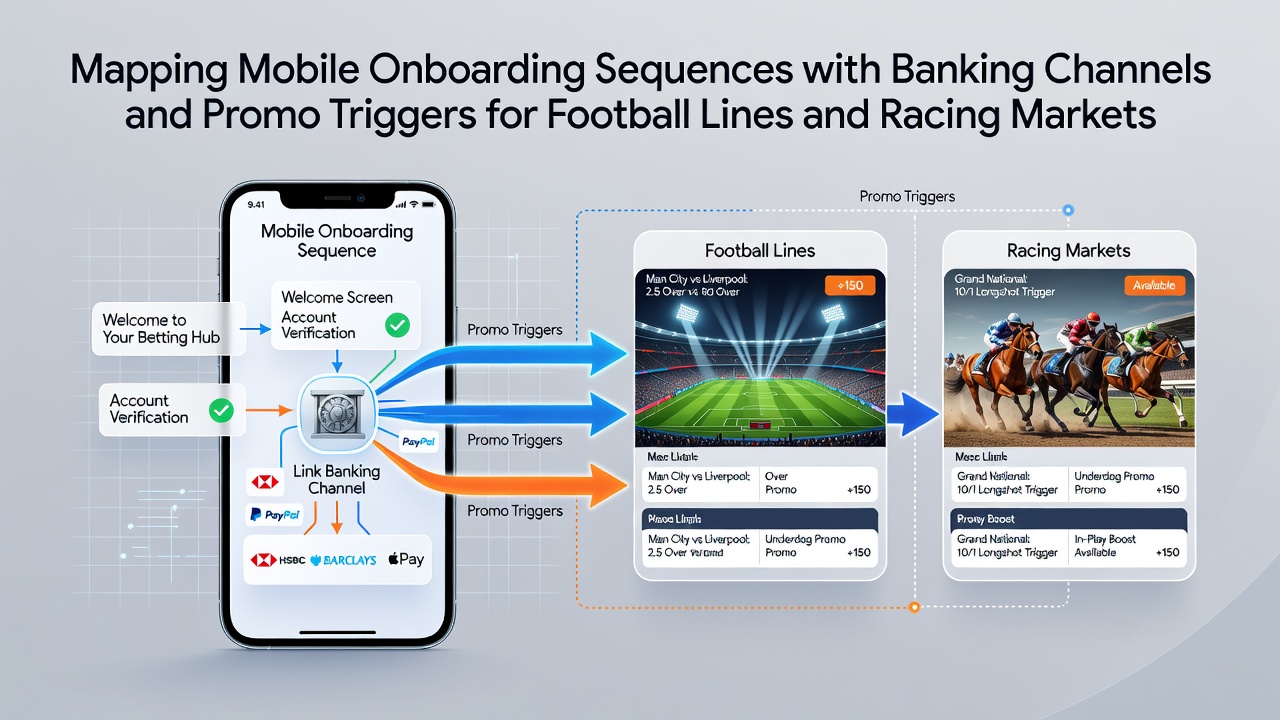
Observers note that mobile registration sequences in betting environments follow structured steps that connect user verification directly to banking options and promotional elements, particularly when operators serve soccer lines alongside racing markets. These sequences typically begin with device compatibility checks, followed by profile creation that requires identity confirmation through government-issued documents or biometric data, and then proceed to payment gateway selection where users link accounts or cards. Data from industry reports indicates that many platforms complete this initial phase in under five minutes when users opt for instant verification services, which reduces drop-off rates during high-traffic periods such as major football fixtures or race meetings. Banking channels integrate at this stage through partnerships with established processors, allowing deposits via bank transfers, e-wallets, or card networks while complying with regional financial regulations. Promo triggers activate once accounts receive funding confirmation, with systems designed to match initial deposits against predefined bonus structures for football accumulator bets or racing each-way wagers. Those who have studied these flows observe that conditional triggers often rely on real-time data feeds from both sports and racing calendars, so offers appear relevant to upcoming events rather than generic promotions.Sequence Mapping in Practice
Researchers have mapped typical user paths across multiple platforms and found consistent patterns where onboarding branches based on user location and preferred market type. For soccer enthusiasts the sequence emphasizes league-specific lines and live betting options immediately after verification, whereas racing users encounter form guides and price comparisons right after banking setup completes.
One study revealed that branching logic improves conversion when it detects device type early, routing tablet users toward larger interface layouts suited for race replays while directing smartphone users toward quick-tap betting slips for in-play football goals. Banking integrations support this by pre-populating saved payment methods across both market categories, which eliminates repeated entry during subsequent sessions.
Banking Channel Synchronization
Financial gateways connect to onboarding sequences through secure APIs that validate transactions within seconds, and operators coordinate these connections to trigger promotional eligibility checks automatically. Evidence suggests that platforms using multi-channel banking reduce friction when users switch between soccer markets and racing events because deposit histories carry over without additional verification steps.
July 2026 saw increased adoption of instant bank transfer options across several European operators, according to figures from the European Gaming and Betting Association, with transaction success rates climbing above 95 percent for verified accounts. This development aligned with seasonal peaks in both football and racing calendars, allowing promo triggers to activate during transfer confirmation rather than after settlement delays.
Promo Trigger Mechanics
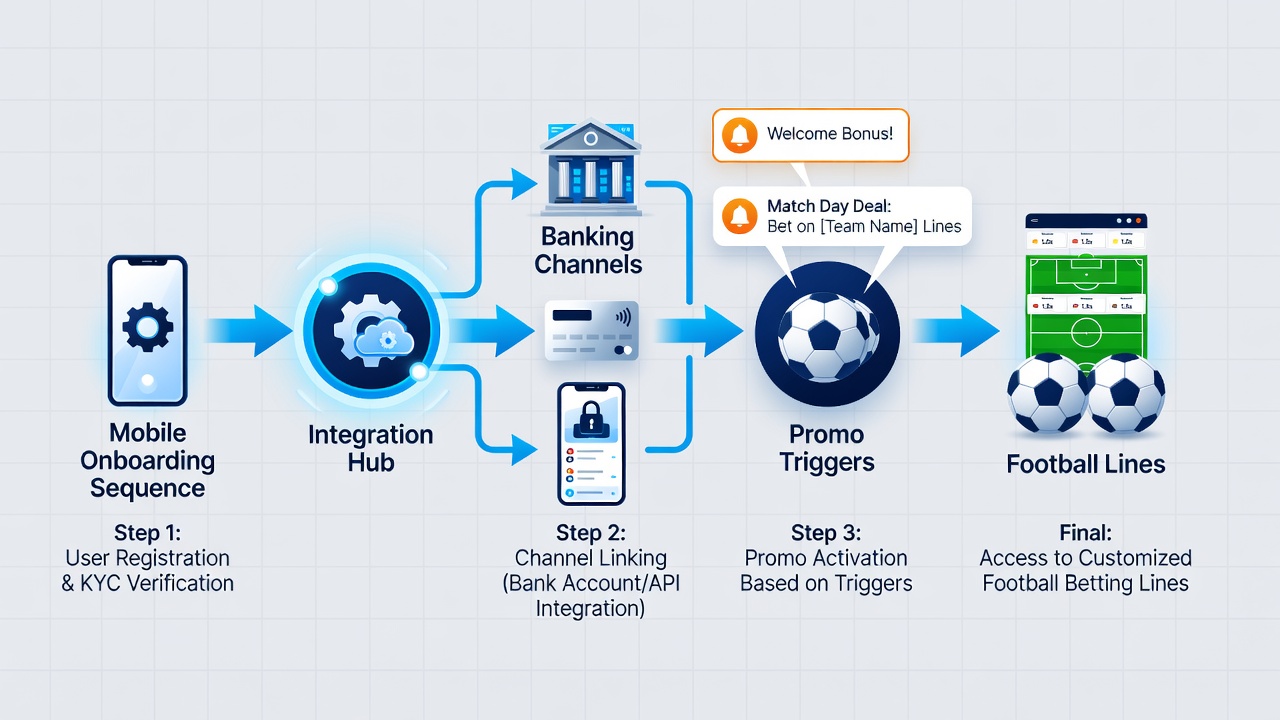
Promotional systems rely on event-driven rules that evaluate deposit amounts, market selections, and timing against operator-defined parameters. For football lines the triggers frequently reward multi-leg bets or goal scorer selections, while racing markets see incentives tied to specific meetings or horse performance thresholds.
Those who've examined backend configurations report that rule engines update daily to reflect fixture changes, ensuring that a deposit made on a Tuesday for weekend soccer matches receives different bonus weighting than one placed for midweek racing events. Cross-market triggers also exist, allowing users who place both soccer and racing bets within a single session to unlock combined rewards.
Integration Challenges and Solutions
Platform developers address synchronization issues between mobile flows, banking processors, and promo engines through unified data layers that track user progress across all three components. When a banking transaction succeeds the system queries the promo database in real time, then surfaces eligible offers on the next screen without requiring additional navigation.
Academic papers on user experience in regulated gambling environments highlight that seamless handoffs between these elements correlate with higher retention rates across both soccer and racing segments. Operators continue refining these connections to accommodate evolving payment regulations in various jurisdictions while maintaining consistent sequences for users who engage multiple markets.
Conclusion
Mapping exercises demonstrate that effective mobile onboarding depends on tight coordination among verification steps, banking channels, and promotional logic, particularly when platforms handle both football lines and racing markets simultaneously. Continued refinement of these pathways reflects ongoing adjustments to regulatory requirements and technological capabilities across regions.